


Top Tips for Vaillant Boiler Maintenance in Notting Hill
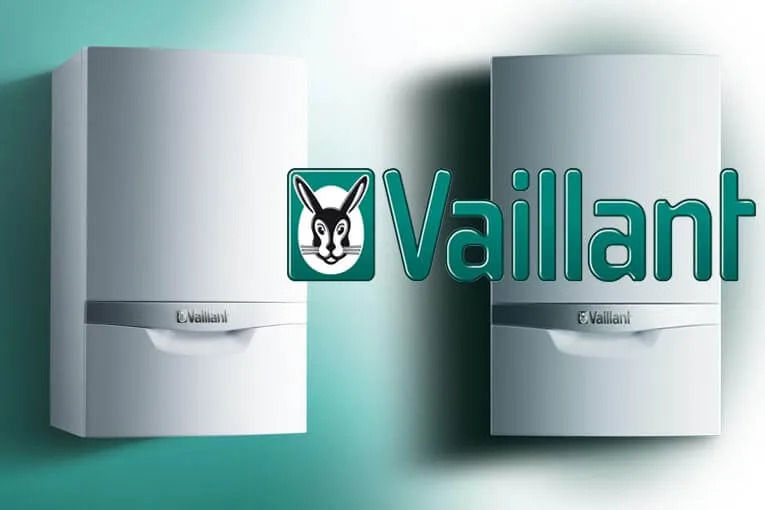
Maintaining your Vaillant boiler is essential for ensuring its efficiency and longevity. In Notting Hill, where the weather can be unpredictable, having a reliable heating system is crucial. This guide will provide you with practical tips to keep your boiler in top shape, ensuring you stay warm and comfortable throughout the year.
Understanding Your Vaillant Boiler
Before diving into maintenance tips, it’s important to understand how your Vaillant boiler works. Vaillant boilers are known for their efficiency and reliability. They come in various types, including combi, system, and regular boilers. Each type has its unique features and maintenance needs.
Types of Vaillant Boilers
Combi Boilers: These are compact and provide both heating and hot water on demand. They are ideal for smaller homes.
System Boilers: These require a hot water cylinder but do not need a cold water tank. They are suitable for larger homes with multiple bathrooms.
Regular Boilers: These are traditional systems that require both a hot water cylinder and a cold water tank. They are best for homes with high hot water demands.
Understanding your boiler type will help you tailor your maintenance approach.
Regular Maintenance Checks
Regular maintenance checks are vital for the longevity of your boiler. Here are some key areas to focus on:
1. Annual Servicing
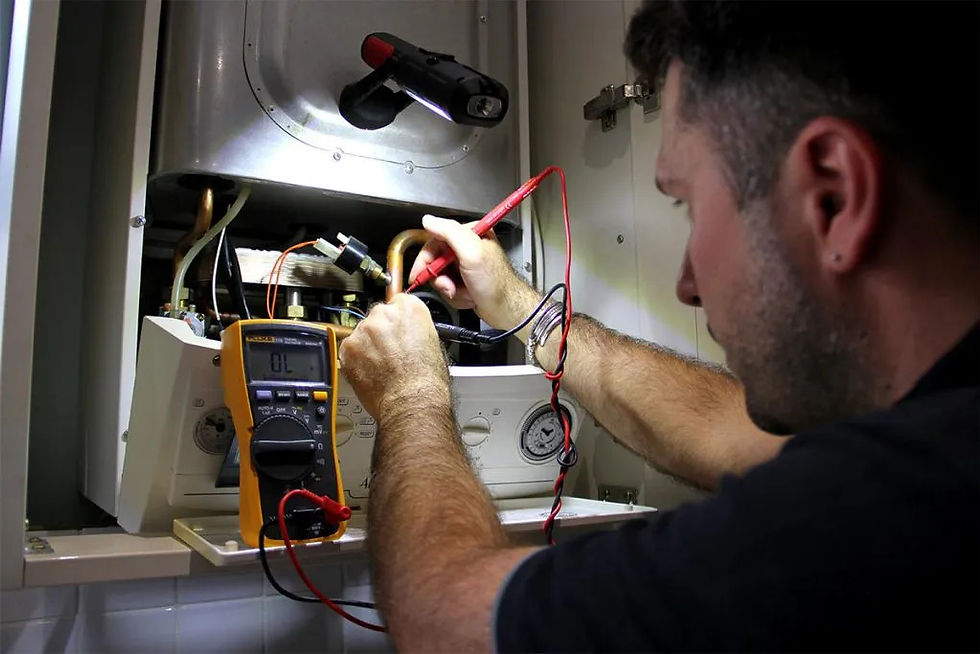
Schedule an annual service with a qualified technician. This service typically includes:
Checking the boiler's efficiency
Inspecting for leaks
Cleaning components
Testing safety features
An annual service can help identify potential issues before they become serious problems.
2. Pressure Checks
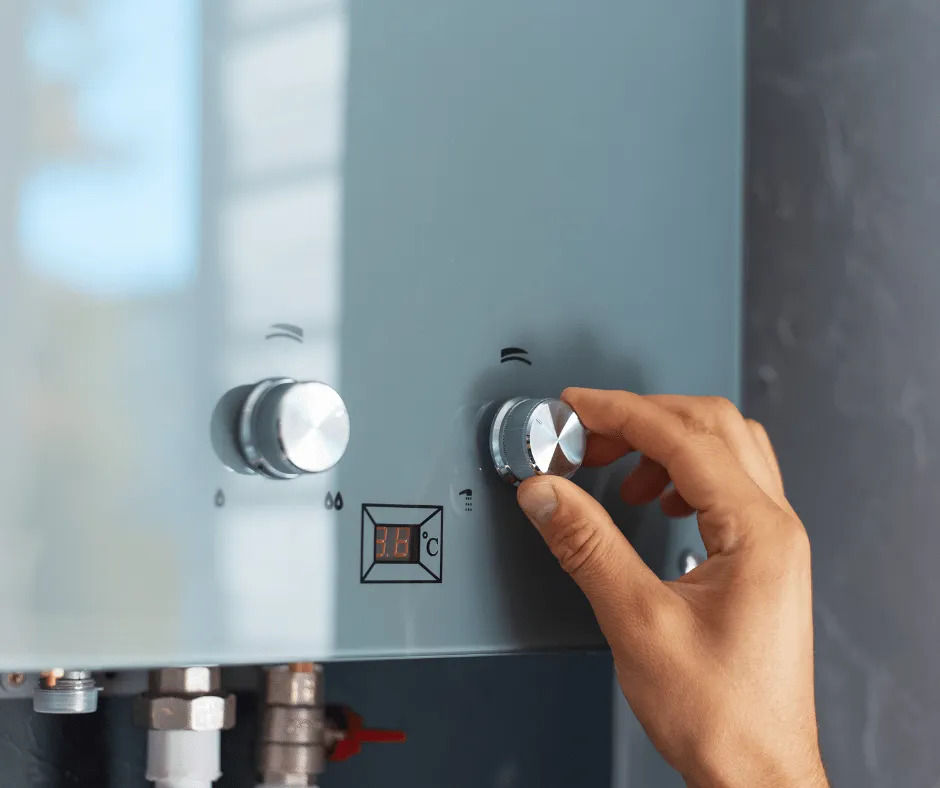
Check the pressure gauge on your boiler regularly. The ideal pressure for most Vaillant boilers is between 1 and 1.5 bar. If the pressure is too low, you may need to repressurize the system. If it’s too high, it could indicate a problem that needs addressing.
3. Bleeding Radiators
If your radiators are not heating evenly, they may need bleeding. This process releases trapped air, allowing hot water to circulate properly. To bleed a radiator:
Turn off the heating.
Use a radiator key to open the bleed valve at the top of the radiator.
Allow air to escape until water begins to flow.
Close the valve and check the pressure of your boiler.
4. Checking for Leaks
Inspect your boiler and the surrounding area for any signs of leaks. Water pooling around the boiler can indicate a problem that needs immediate attention. If you notice any leaks, contact a professional to assess the situation.
Keeping the Boiler Area Clear
Ensure that the area around your boiler is clear of clutter. This not only allows for better airflow but also makes it easier for technicians to perform maintenance. Avoid storing items like cleaning supplies or flammable materials near the boiler.
Monitoring Boiler Performance
Pay attention to how your boiler operates. Unusual noises, such as banging or whistling, can indicate a problem. Additionally, if you notice a drop in heating efficiency or an increase in energy bills, it may be time to investigate further.
1. Listening for Noises
Common noises to watch for include:
Banging: This could indicate air in the system or a buildup of sludge.
Whistling: Often a sign of a blockage or low water pressure.
Gurgling: This may suggest trapped air or a leak.
If you hear any of these sounds, consult a professional.
2. Checking Energy Bills
Keep an eye on your energy bills. A sudden spike in costs may indicate that your boiler is working harder than it should. Regular maintenance can help improve efficiency and lower your bills.
Importance of Using Genuine Parts
When replacing parts of your Vaillant boiler, always use genuine Vaillant parts. Using non-genuine parts can void your warranty and may lead to further issues down the line. Genuine parts are designed specifically for your boiler, ensuring optimal performance.
Troubleshooting Common Issues
Even with regular maintenance, issues can arise. Here are some common problems and how to troubleshoot them:
1. Boiler Not Heating
If your boiler is not heating, check the following:
Thermostat Settings: Ensure the thermostat is set to a higher temperature.
Power Supply: Check if the boiler is receiving power.
Pilot Light: If your boiler has a pilot light, make sure it is lit.
If these checks do not resolve the issue, contact a technician.
2. Error Codes
Many Vaillant boilers display error codes when there is a problem. Refer to your user manual to understand what the codes mean and follow the recommended actions. If you cannot resolve the issue, seek professional help.
Seasonal Maintenance Tips
Different seasons bring different challenges for boiler maintenance. Here are some seasonal tips to keep your boiler running smoothly.
Winter Preparation
Before winter sets in, ensure your boiler is ready for the cold months. Consider the following:
Insulate Pipes: Insulate any exposed pipes to prevent freezing.
Check the Flue: Ensure the flue is clear of obstructions to allow proper ventilation.
Summer Maintenance
During the warmer months, it’s easy to forget about your boiler. However, summer maintenance is crucial:
Run the Boiler: Run your boiler for a short period to keep the components lubricated.
Check for Leaks: Inspect for any leaks that may have developed during the winter.
Professional Help
While many maintenance tasks can be performed by homeowners, some require professional expertise. Always consult a qualified technician for:
Annual servicing
Complex repairs
Installation of new systems
Conclusion
Maintaining your Vaillant boiler in Notting Hill is essential for ensuring its efficiency and longevity. By following these tips, you can keep your boiler running smoothly and avoid costly repairs. Regular maintenance, monitoring performance, and seeking professional help when needed will ensure your home stays warm and comfortable all year round.
Take action today by scheduling your annual service and keeping an eye on your boiler’s performance. Your comfort depends on it!


Comments